THE IBERIAN PENINSULA …. CULTURAL MECCA
CANARY ISLANDS, LISBON, PORTO, LA CORINA, BILBAO
So we traveled 1700 miles from West Africas’ Cape Verde to Lisbon … a 4.5 day journey back to Western Civilization. We made a one day stop in Spains’ Canary Islands ( Islas Canarias ) … dropping off our new “friends found at sea” … hopefully sending them on to a better life. The Canary Islands is another … of the many archipelagos we have been to with 7 islands … #28 on my bucket list …. and it turns out to be as beautiful as I would have imagined.
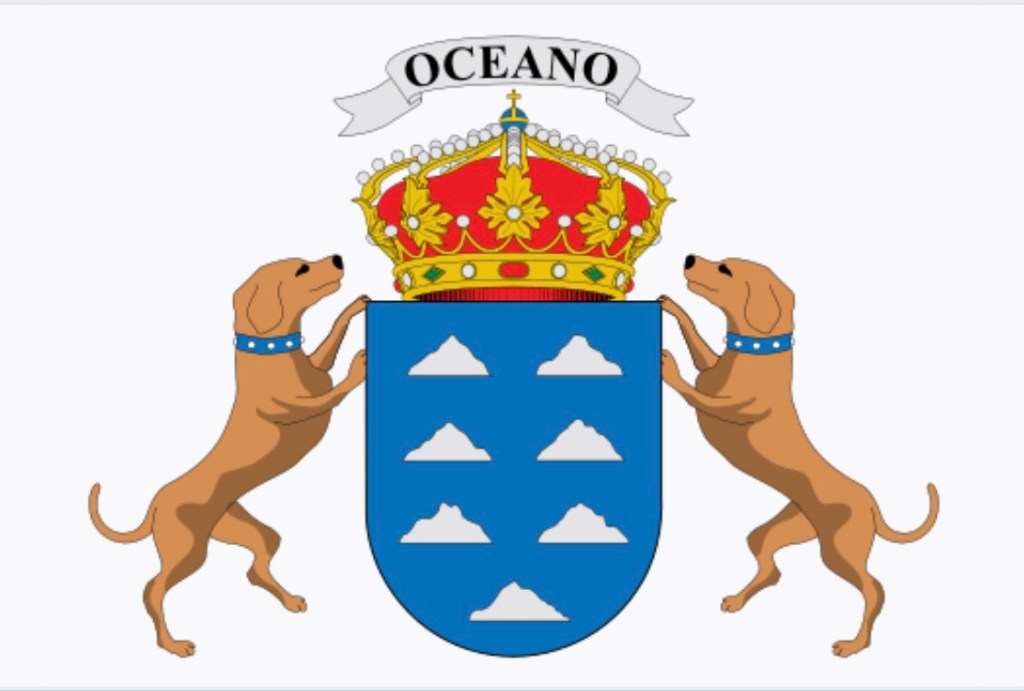
The name “ Canary Islands ” … sounds exotic … with lots of unusual birds. But one more time … NOPE … The Latin meaning of “ Canary Islands ” is “Land of Dogs.” Seems very strange … but it turns out that when the Spaniards discovered the island they were greeted by “Sea Dogs” … the Roman word for “ seals.” Most believe that is what was actually discovered … but the “Land of the Dogs” stuck and became the countries national emblem.
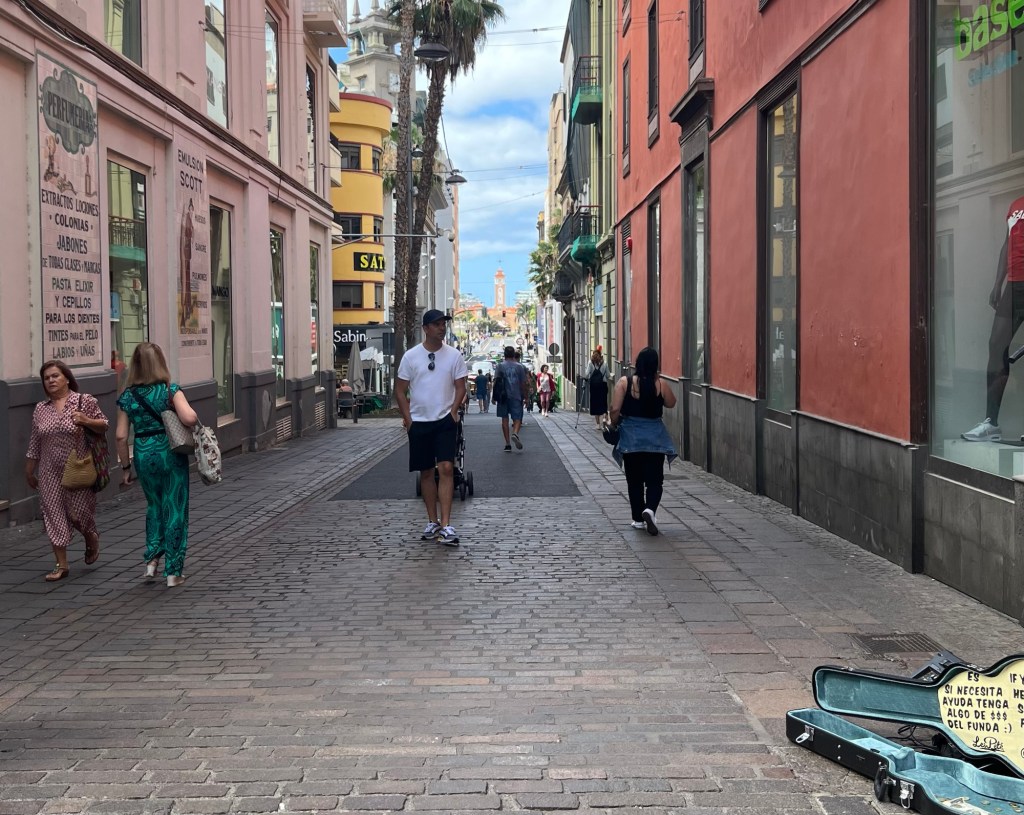
We docked in Tenerife … the largest island … with almost 1M people …home to the 3’rd largest volcano in the world. ( Over 12,000’ ) We spent the day on a walking tour … old cobblestone streets with preserved architecture … so much history …. so many Spanish and Portuguese explorers spent time here.
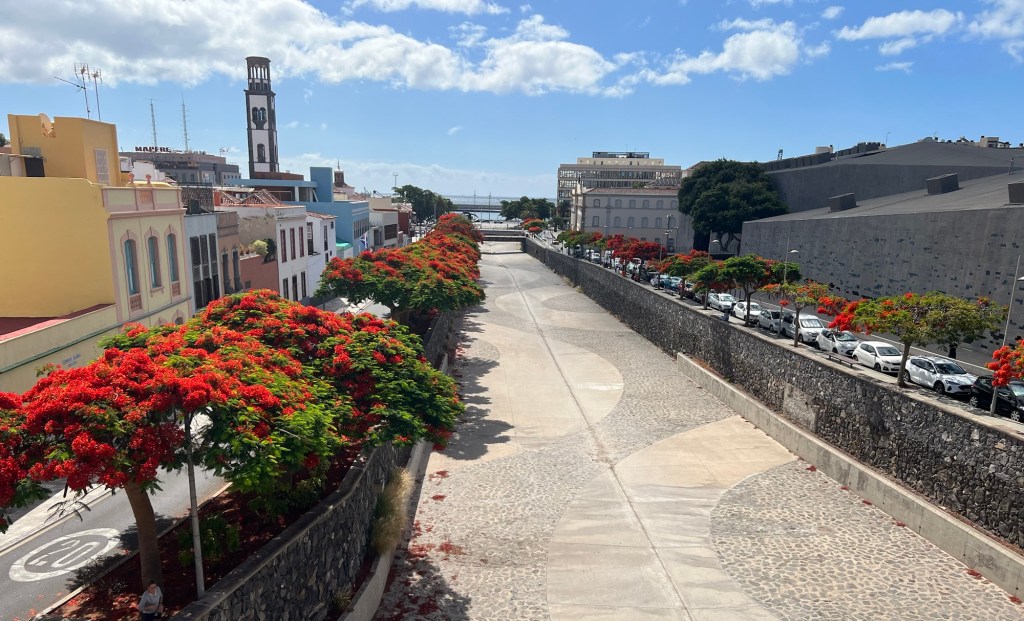
Today the city is covered in orange blossoms from the “ Flame Tree ” … a tropical oriental tree … originating in Madagascar. The shape of the tree is quite distinctive … its branches create a beautiful canopy … lining the city streets. This is a place definitely worth spending more time … but today we have a boat to catch.
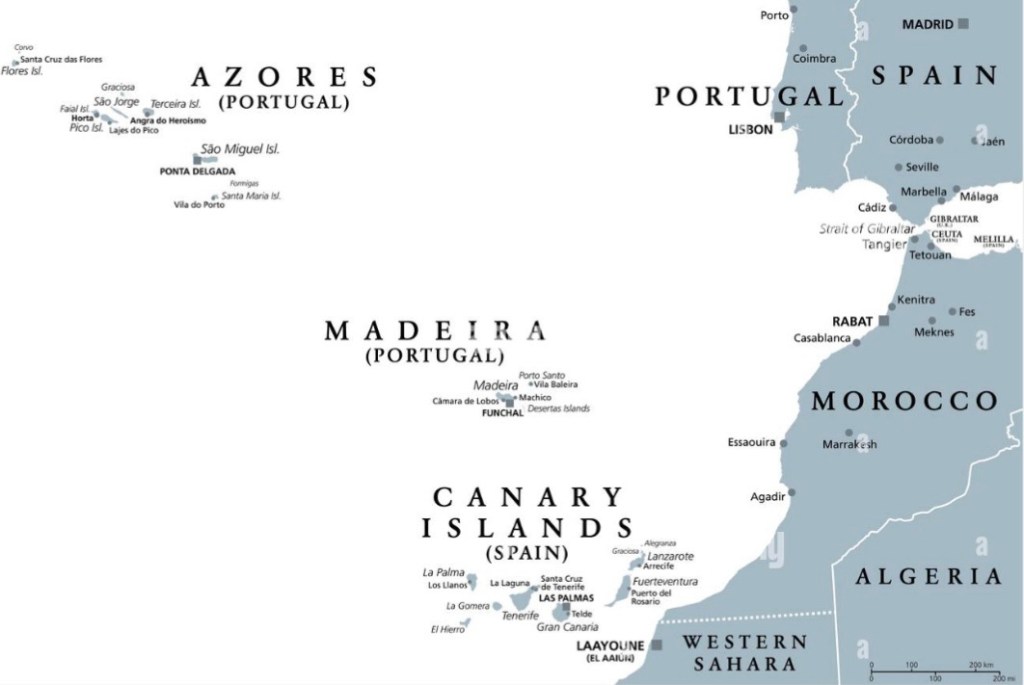
And a schedule to keep … more places to see … so onto the Iberian Peninsula. ( For those lacking in geography … like myself … “A Peninsula” is a land mass surrounded by water on all three sides … in this case Portugal and Spain )
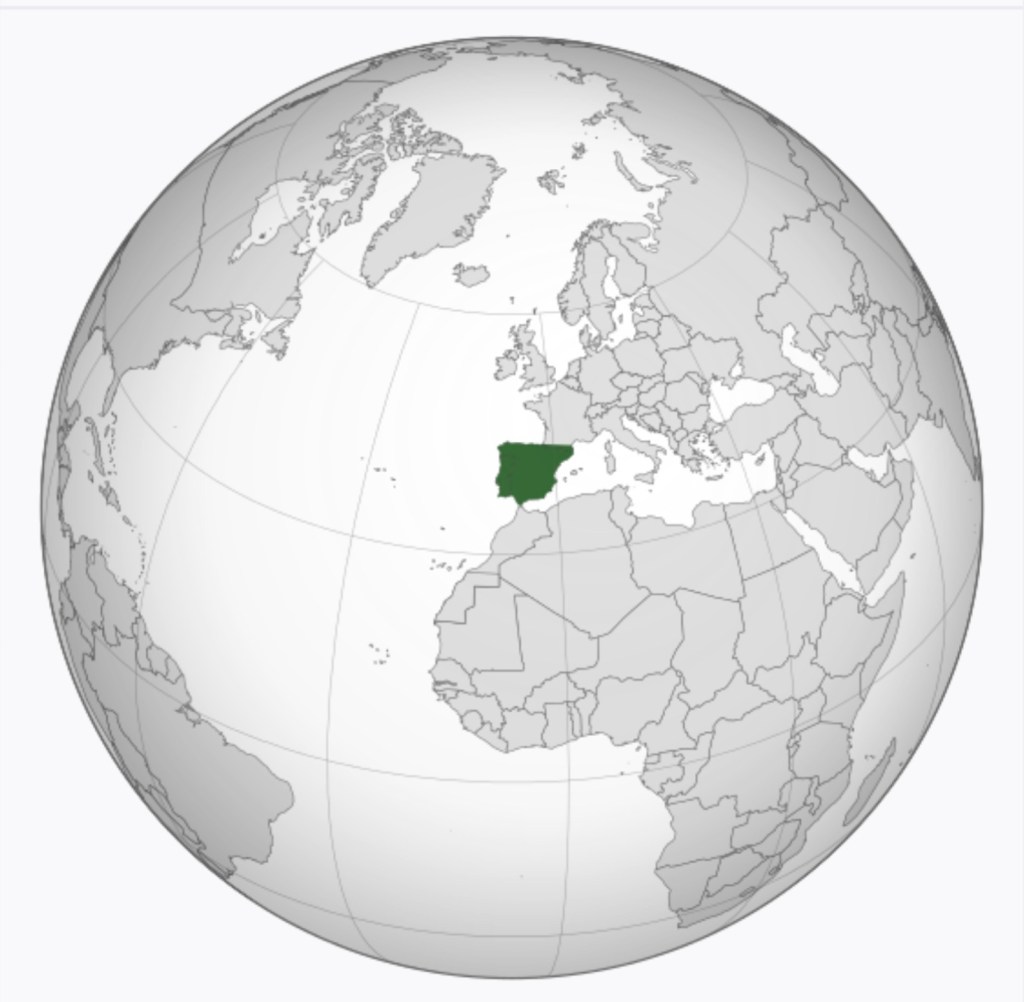
The Iberian Peninsula is located at the southern tip of Europe and at “ The Center of all the Action. ” It borders the North Atlantic to the West, the Mediterranean to the East and the Straits of Gilbrater in-between … no wonder these two countries discovered so many places and colonized so many areas around the world.
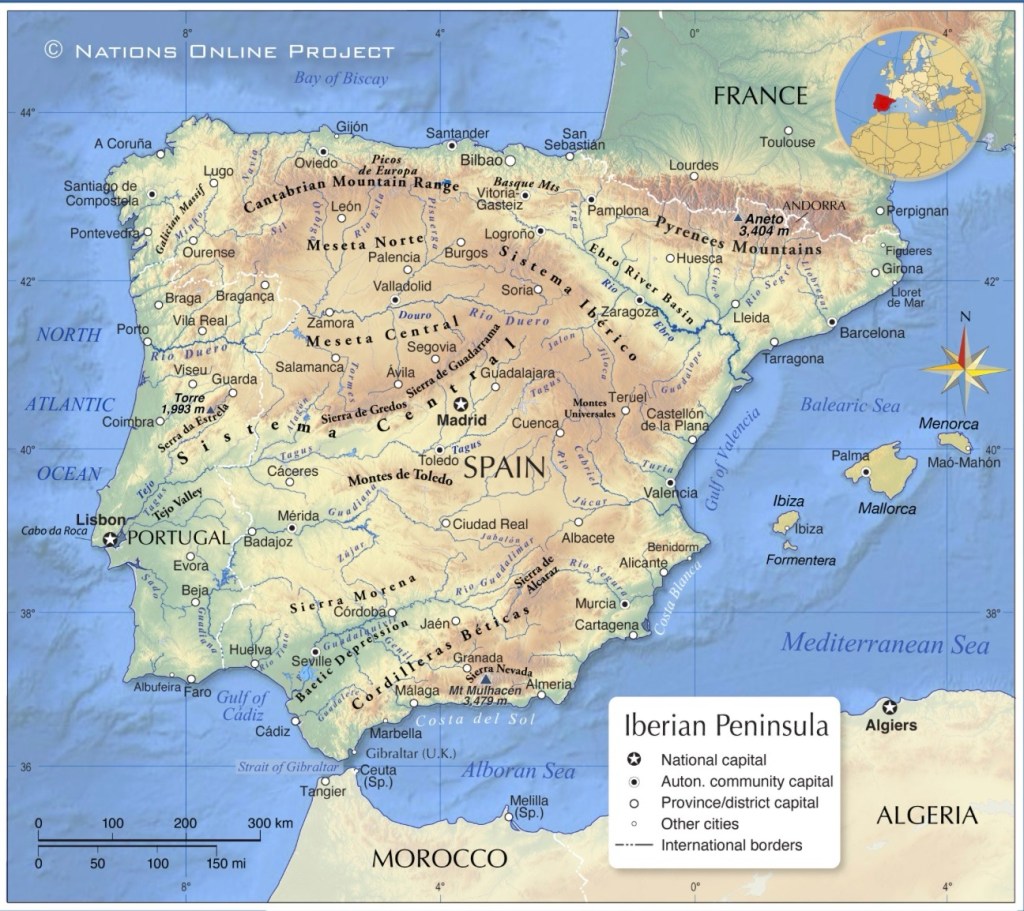
We have spent time in both Portugal and Spain but I never linked them to the “ Iberian Peninsula. ” When I hear that name “ Iberian “ I think of “Ham” or maybe even “Boloney.” ( Not sure if they even still make Baloney ??? …. It was a lunch staple when I grew up … but seems as though it has gone by the wayside … like Spam. )
It turns out the association with ham is actually not too far off the mark. The region is known for “ Iberian Ham ”…. a distinctive ham recognized throughout the world by everyone else but me. Iberian ham comes from the “ hind leg of the Iberian Pig ” … a black pig that is raised grazing on acorns in open areas of the countryside … supposedly their diet gives the ham a distinctive “ nutty taste. ”
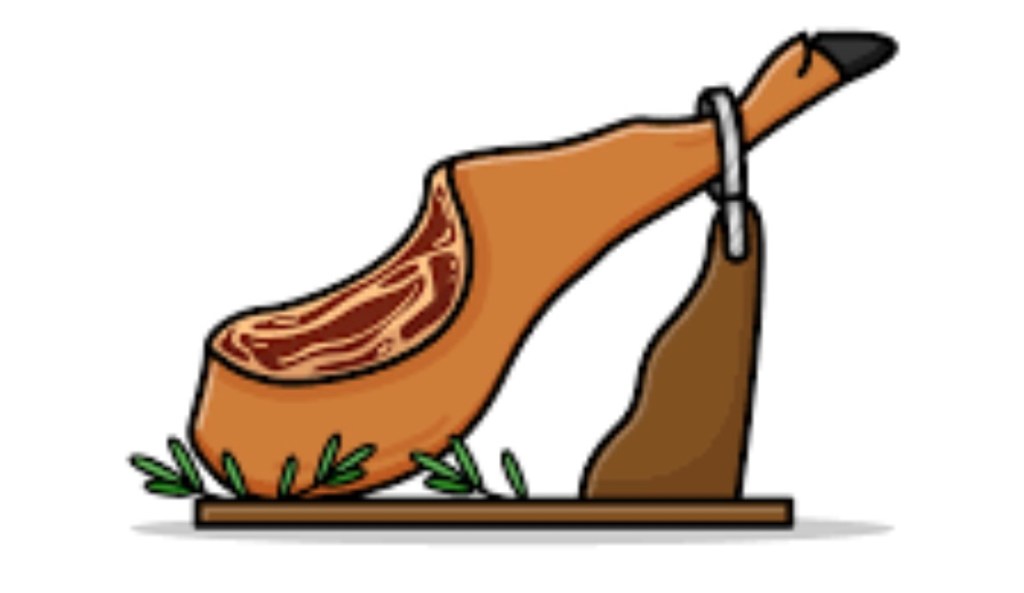
Iberian Ham is very popular as tapas … so of course we had to try some … the fat from this ham is like olive oil and actually helps to reduce cholesterol. Hard to get my head around a fatty ham reducing cholesterol.
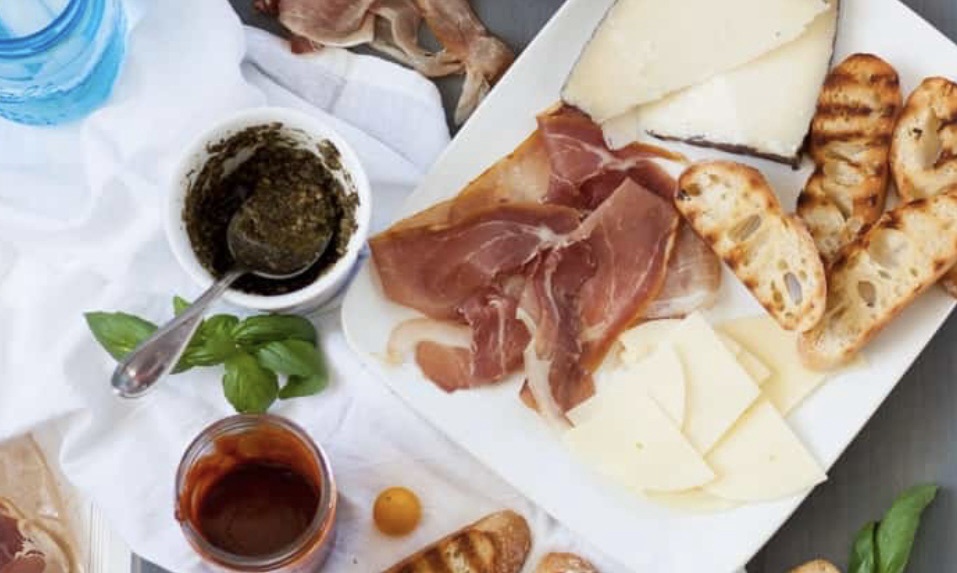
Either way I have trouble not thinking about the hoof hanging there …. by the time we are done with this world tour I may end up a vegetarian. The ham is offered in sealed packages to take home … but as popular as it may be … it is not allowed to be brought back into the US. ( That’s a story for another day. )
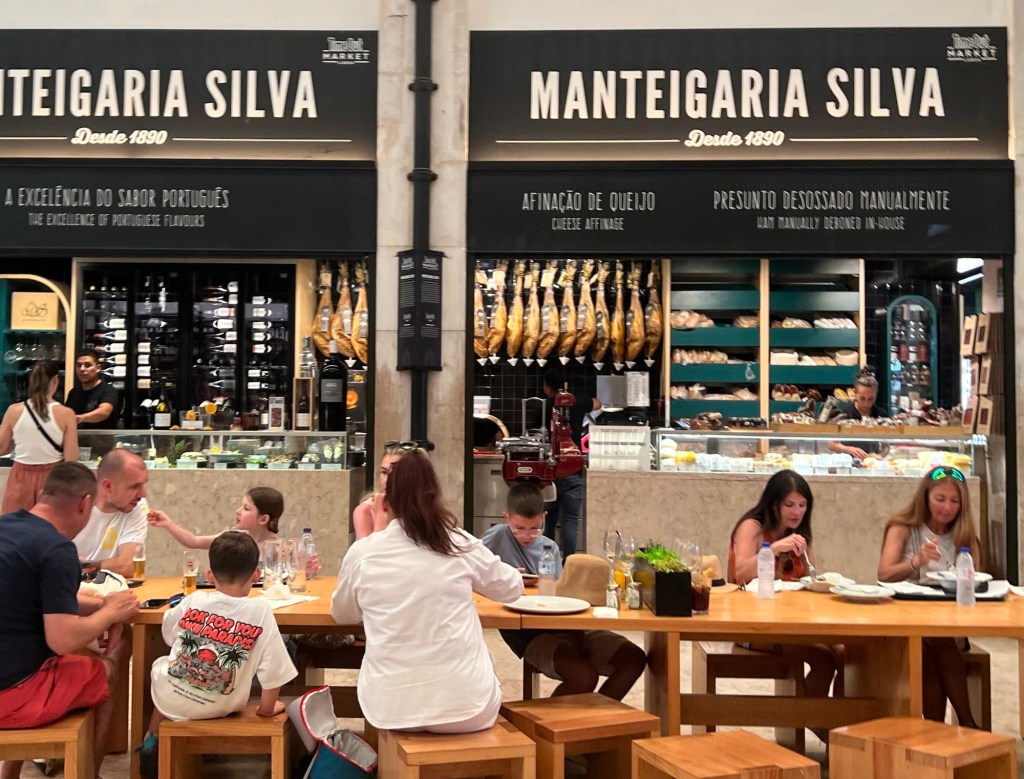
But enough on Ham … Back to the Peninsula.
The Iberian Peninsula was discovered in the first millennium BCE. ( BCE “ Before Current Era ” … another way to say it … “ Before Year 1” …. So basically “ -1000. ” ) The first settlers were conquered by the Romans a 1000 years later … around year 0 … followed by the Moors in the 700’s. The Moors ( Muslims of North Africa ) orginally came from Persia… today known as Iran … bringing with them advanced agriculture techniques ( Irrigation methods, new plants/ food sources, scientific knowledge and architectural skills. ) The Moors were eventually overthrown and Portugal became its’ own country in 1143 … followed by Spain 300 plus years later in 1492.
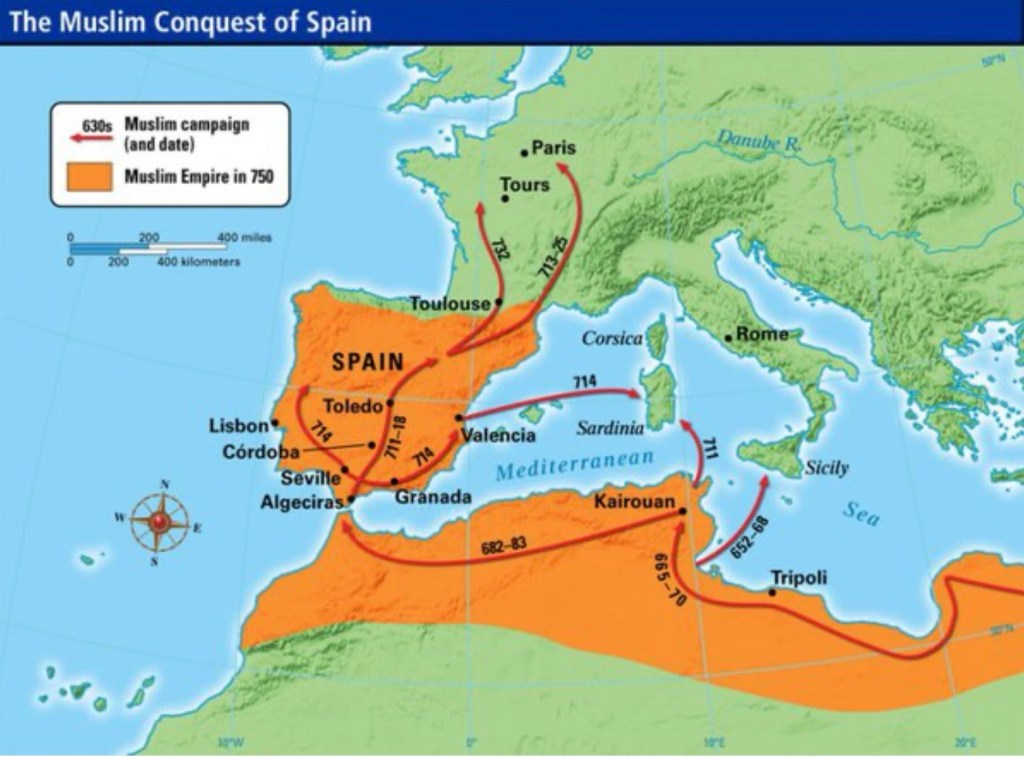
Portugal and Spain had their heyday by the beginning of the 1400’s and that continued through the 1700’s. They led the “Age of Discovery” … opening the doors to European Exploration and Colonization.
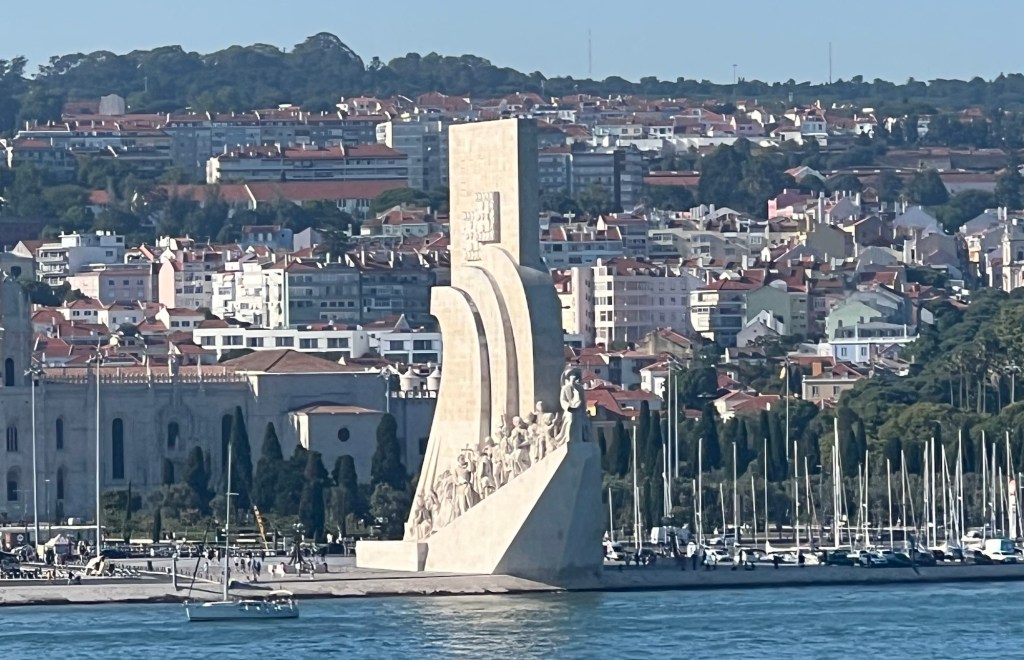
The first discoveries … Azores, Madeira and the Canary Islands were just the start … leading to Africa, the Americas and Asia … eventually establishing trading networks that started the 1’st global economy.
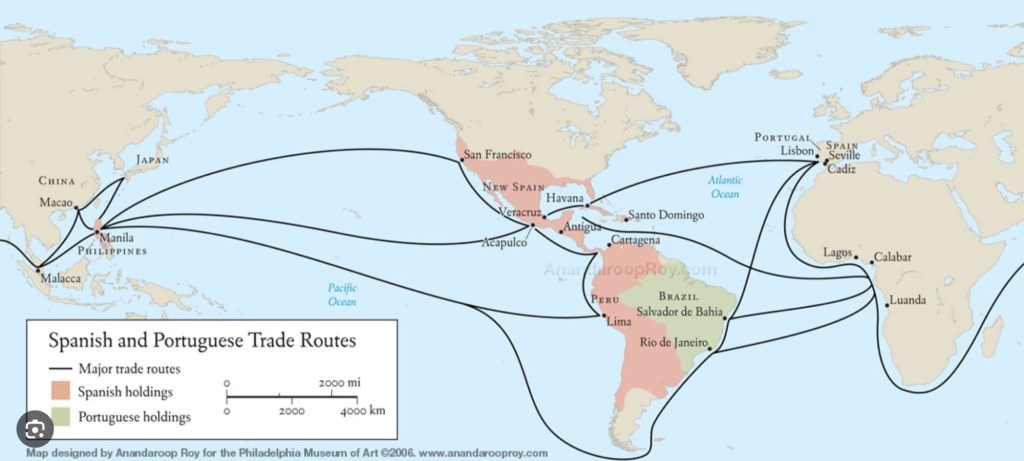
The period of moorish influence left a big imprint on both Portugal and Spain … much of which remains today. So our first port in the Iberian Peninsula is Lisbon … Portugals capital … the second oldest city in Europe just behind Athens and … the largest port on the Atlantic side of Europe.
Lisbon has a distinctive cityscape recognized throughout the world … coupled with its’ southern Mediterranean climate …. make it pretty ideal most of the year. It is known as Europe’s sunniest capital city … referred to as “ The City of Light. ”
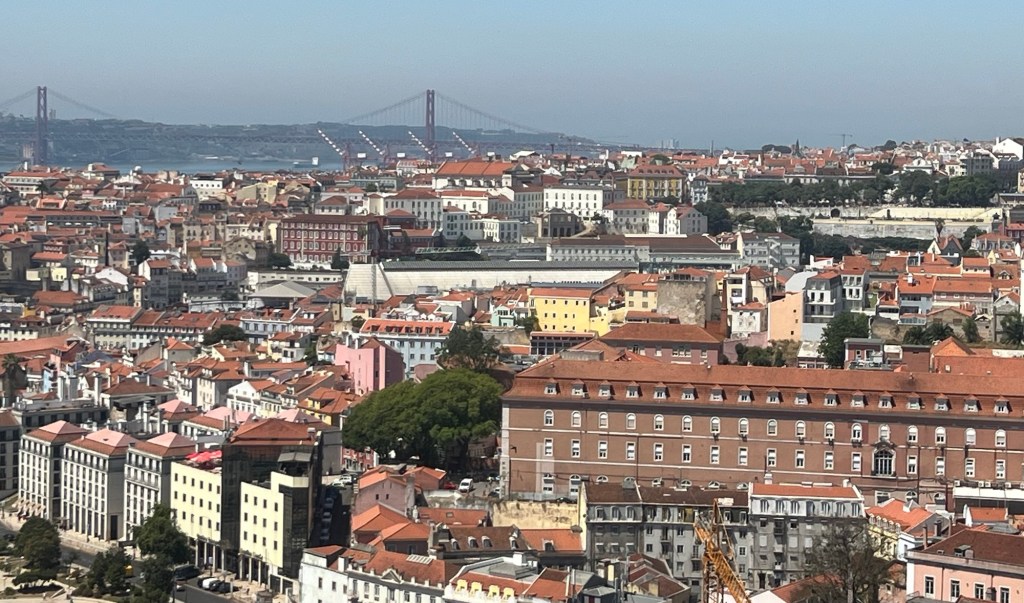
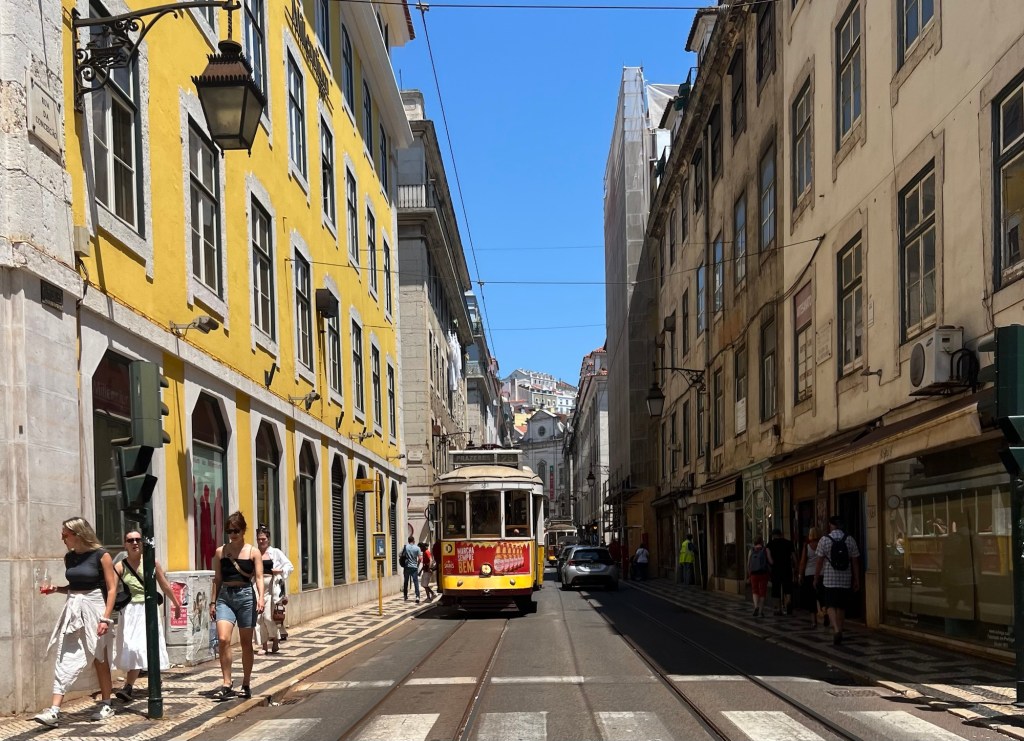
The city is a mix of many styles of architecture …reflecting its various periods of occupation. Much of it is still intact …thanks to an “arms distance” approach during WWI and WWII …. meaning unlike many European Cities they managed not to get bombed. The city is hilly terrain … lined with cobblestone streets and like San Francisco trams navigate the steep hills.
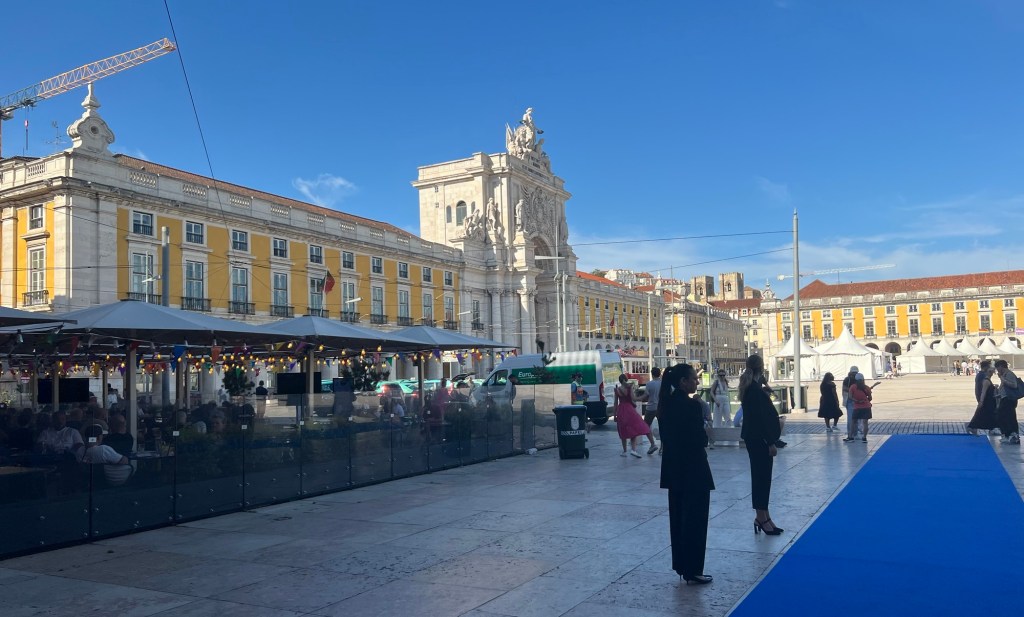
The waterfront has large wide open spaces … drawing big crowds and an active nightlife.
Much of Spanish and Portuguese architecture is distinctive … faced with hand painted porcelain tiles … a tradition that continues today. Portuguese tiles … known as “Azulejos”…. from the Arabic word “as-zualyj” … means “polished stone.” The concept orginated in Egypt and was first introduced to Portugal by the Arab invasion in the 700s. The tiles (Azueljos)… provided a fire resistant layer of porcelain that helps regulate the temperature of the building.
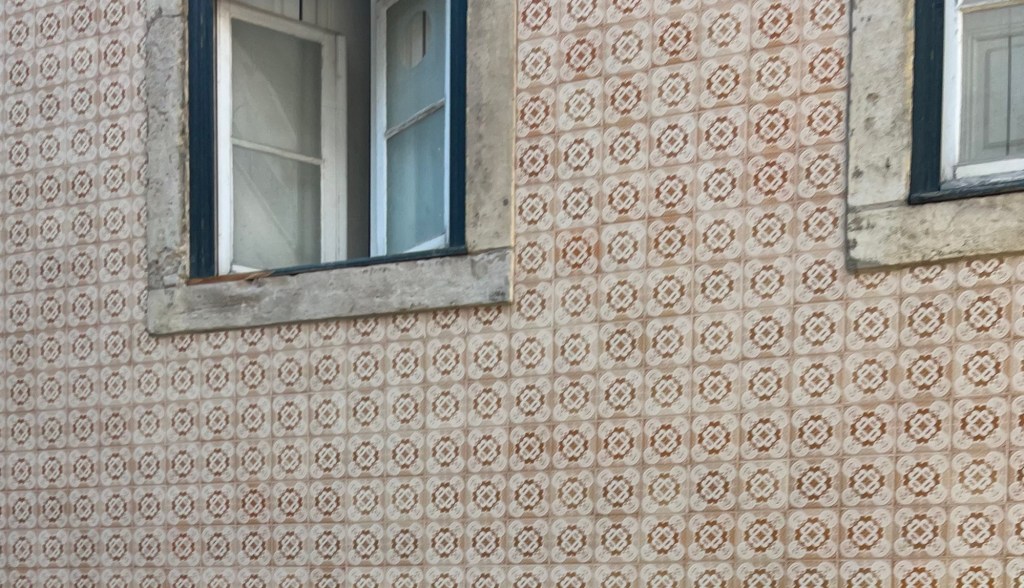
… over time they evolved to incorporate more color depicting historical events or religious stories. The blue color … most typically used …symbolizes power and wealth … an expression of their colonial acheivements.
Our second stop in Portugal … Oporto … another beautiful port city that avoided demolition by World Wars … have some beautiful old churches dating back to the 1700’s with sophisticated hand painted blue and white tiles conveying stories of the time.
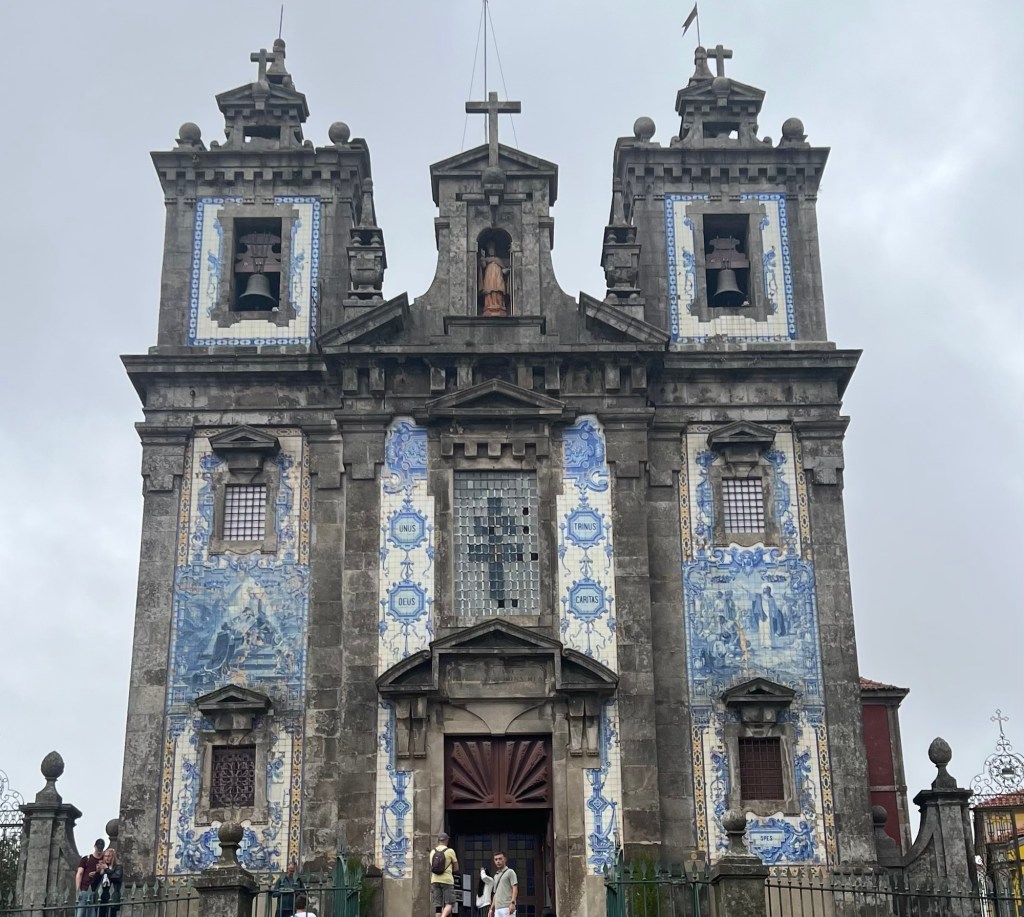
Today Portuguese tiles are renowned for their intricate design and meticulous attention to detail. Contemporary artists and designers are continually finding new ways to interpret the craft.
The arts and culinary cuisine are alive and well in this region … an important part of the Portuguese and Spanish culture. Our first stop in Spain … La Coruna … the center plaza is anchored by another architectural gem … the Town Hall built at the turn of the last century ( My pic does not do it justice ) Built in the early 1900’s … an eclectic architectural style with Modern influence … the top domes are bronze and actually glisten in the sun.
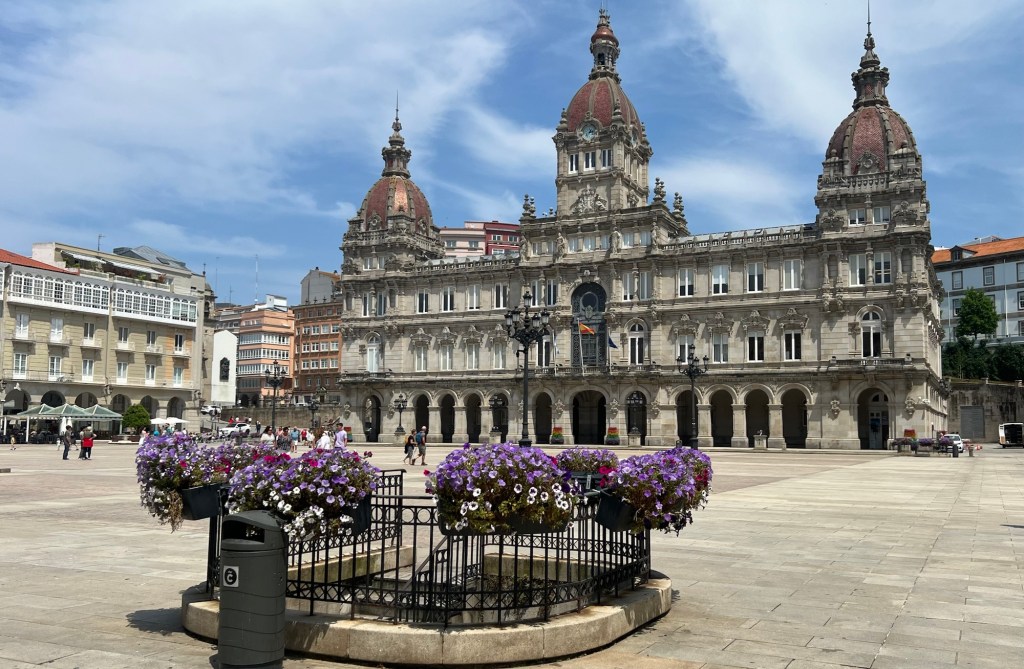
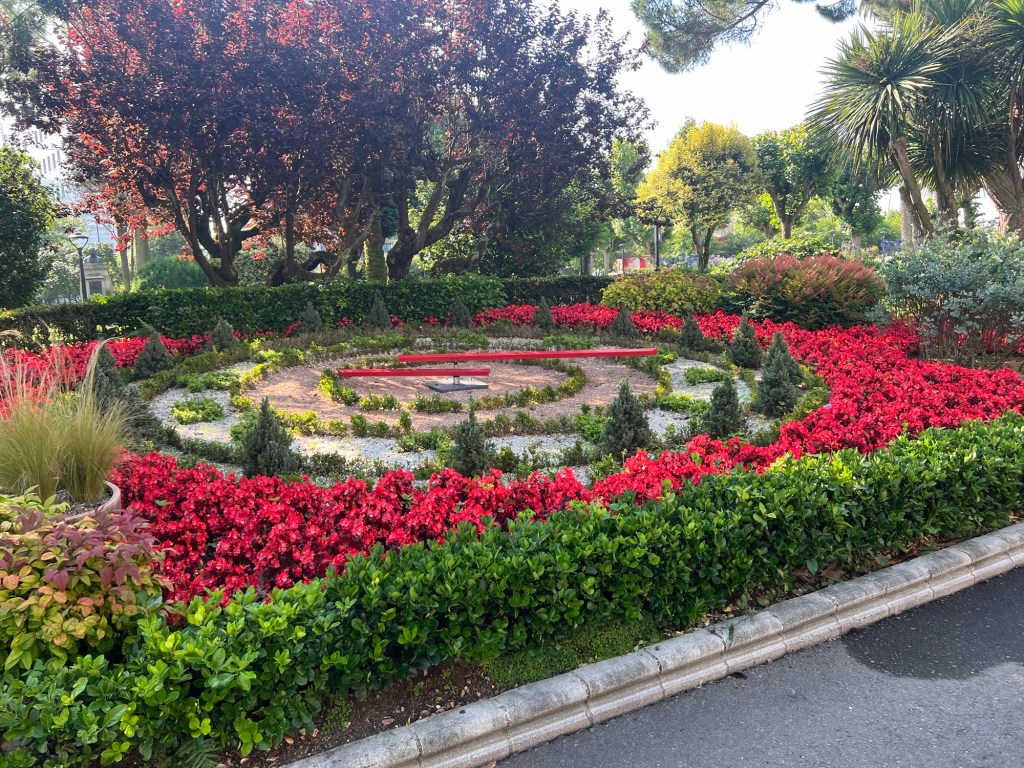
The city is spotless … beautifully kept with numerous Gardens and flower beds along the waterfront area. Colorful displays of potted flowers are found throughout the city.
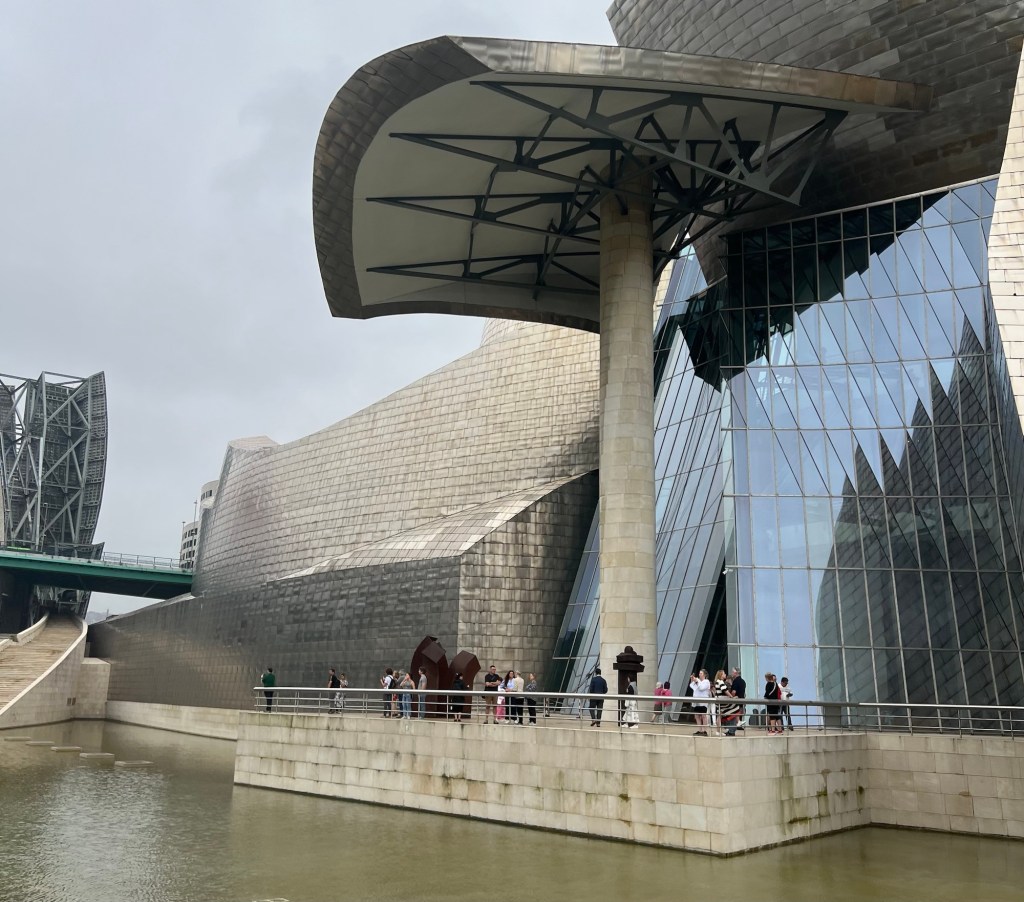
Following La Coruna we spent the next day in Bilbao Spain … home to the first Guggenheim Museum built outside of the United States. The sculpted architecture is a tremendous draw to people from all over the world … creating a vibrant future for the region.
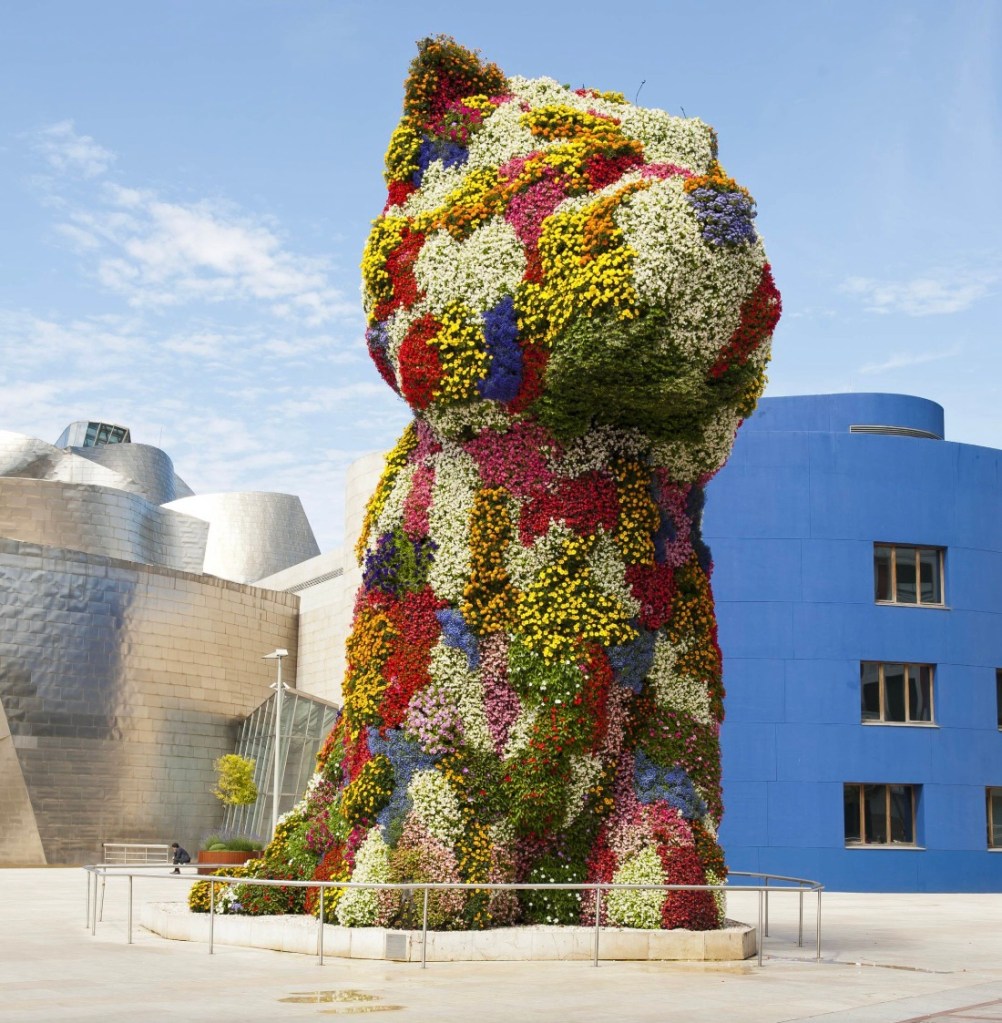
The infamous “Puppy” at the entrance … today’s art … a 40’ tall sculpture modeled after a West Highland White Terrier ( Close relative to a Scottie ) with 38,000 plants changed twice a year.
Contemporary forms of art and architecture are being mixed with iconic buildings all over Spain and Portugal … bringing together the past and the present. But before I sign off … dare I not leave out the many incredible churches … all 28,000 in the Region.
85% of the population is Roman Catholic and most are baptized … so we cannot get through a city, village or hamlet without a beautiul church. Many are incredible works of art … making most of our places of worship look like “ Meat and Potatoes. ”
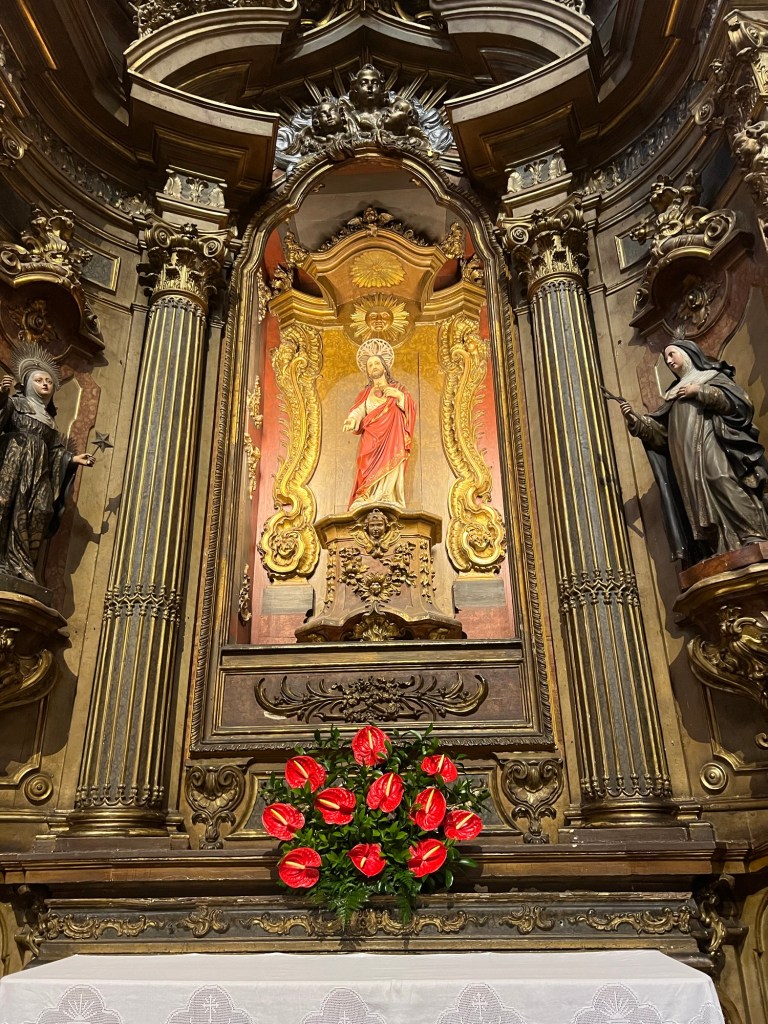
But even with all their beauty and artistry … after 181 Days of this Journey … we are starting to get a bit “churched out, templed out, shrined out. ” ( Truth be known Tom was from Day 1 )
The Iberian Peninsula is a very special place … “A Cultural Mecca” … it has struggled economically in the last century but today it has really come into its own … typically named the most favorite place for people to travel. MOVE OVER ITALY AND GREAT BRITAIN …. You have some serious competition that looks like it is here to stay.
NEXT STOP FRANCE … DAYS 182 to 185
 WORLD IN 2025
Carnary Islands
While Julie and I were having lunch at an Outdoor cafe a young street vendor came by with a tube filled with colorful arm bracelets. Julie of course responded and started pursuing his wares. At $5 each they seemed a responsible buy so she bought $35 worth. We then asked the young fellow where he was from.Imagine how good she felt when she learned he had come from Senegal. Given our ship had rescued 68 stranded refugees the night before and secured their release into the “Red Crescent “ around 6 am this very morning having started their journey also from Senegal. 🧐
LikeLike
Wonderful post on the Iberian Peninsula. Both Lisbon and Bilbao have been on my list of places to visit. I’ll keep this post in my travel folder 🙂
I’m trying to convince Owen that on our next cruise to Barcelona we take a trip to Bilbao.
LikeLike
Yes You would really enjoy the Museum in Bilbao and Lisbon was wonderful… a very vibrant city with lots of energy.
LikeLike
Well if Owen won’t go we will go. You will love Lisbon!!
LikeLike
Definitely !!
LikeLiked by 1 person