ZANZIBAR, TAN ZANIA … SPICES AND SLAVES
So we left Kenya and hopped back on the boat … sailing overnight to Zanzibar.

Zanzibar is an Arabic name that came from Persia meaning “Land of the Blacks.” Zanzibar sounds so exciting and exotic …. a place where fairy tales are made … or so I thought.
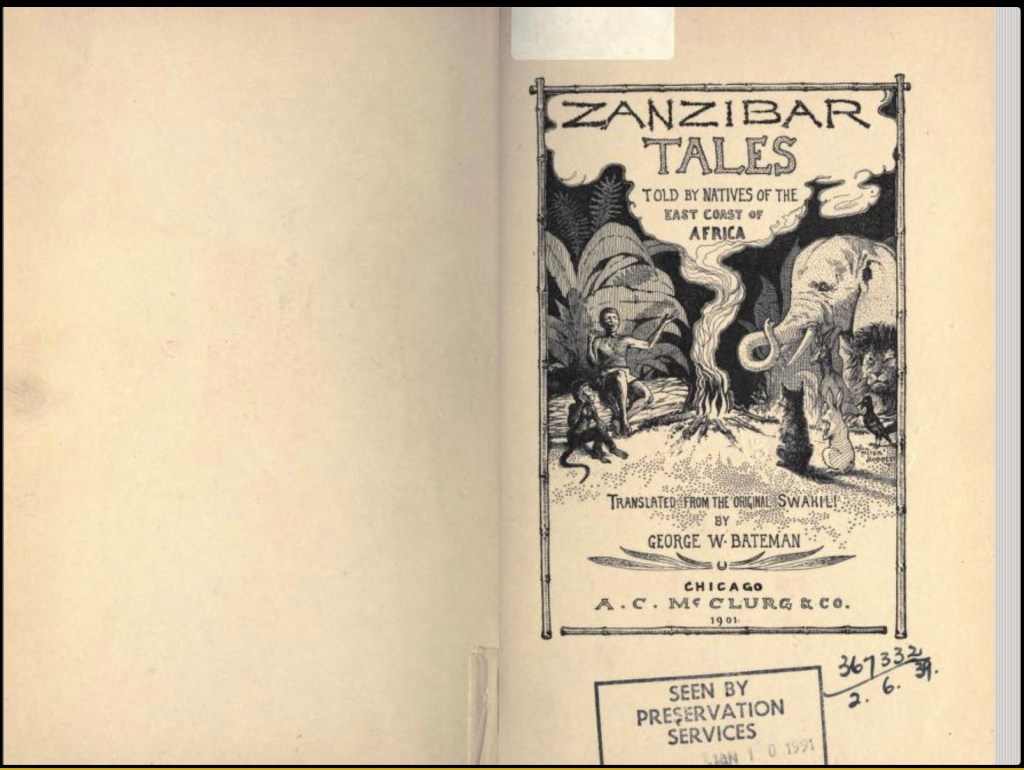
Zanzibar is another archipelago with 4 islands … known for great beaches, clear waters and coral reefs. It is located roughly 20 miles off the coast of Africa.
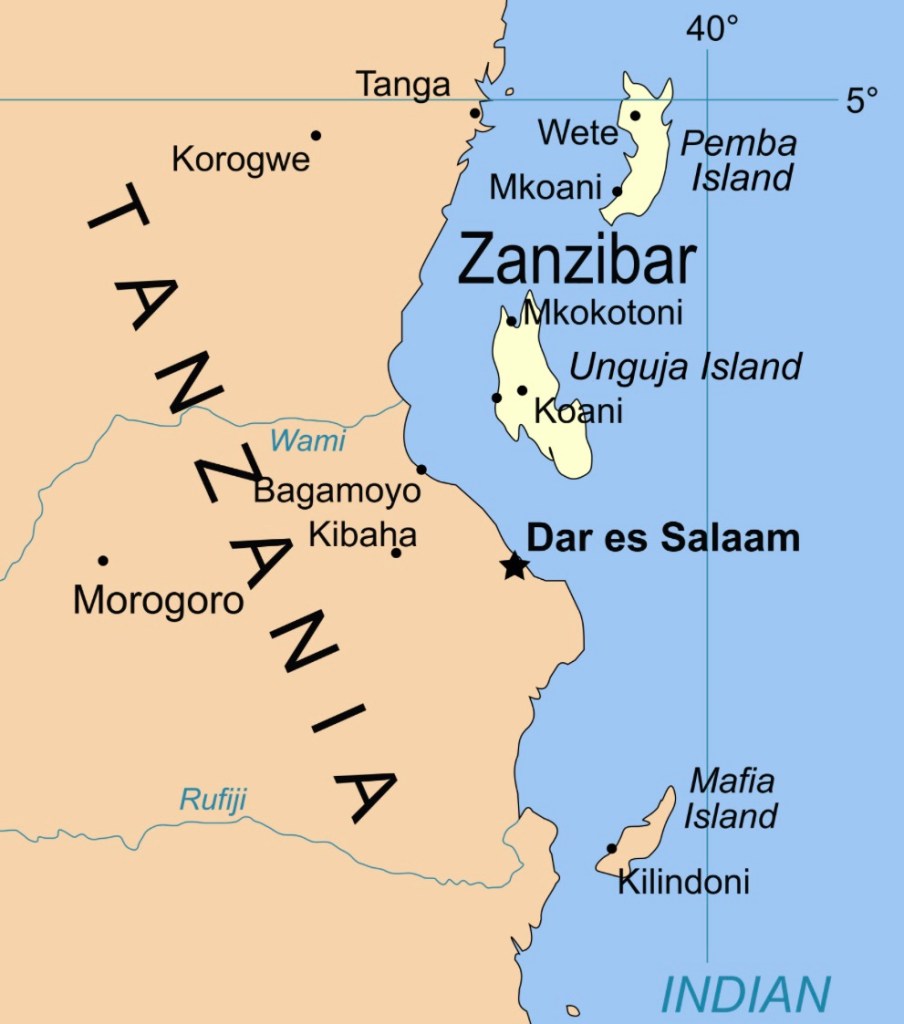
It is group of semi-autonomous islands that united with Tanganyika in 1964 to form the United Republic of “Tanzania” … they merged the two country names … today pronounced Tan Zania … intentionally equal denunciation of both countries … not like the way I was pronouncing it … Tanzanyika.
So in looking into Tan Zania … specially Zanzibar … I came to discover it has some “heavy duty” long history. It was inhabited over 20,000 years … the late Stone Age …. starting as a low key fishing village. ( Like all the others ) By the 1500’s … Zanzibar was under Portuguese rule for two centuries … and in the 1700’s the Omani’s ( the same group from the county that had no people ) … established a “ruling Arab elite” that took over …. trading ivory and spices. Eventually the Omanis shifted their focus … they saw the prosperity in trading slaves. So down that rabbit hole they went … establishing the “East African Slave Trade.”
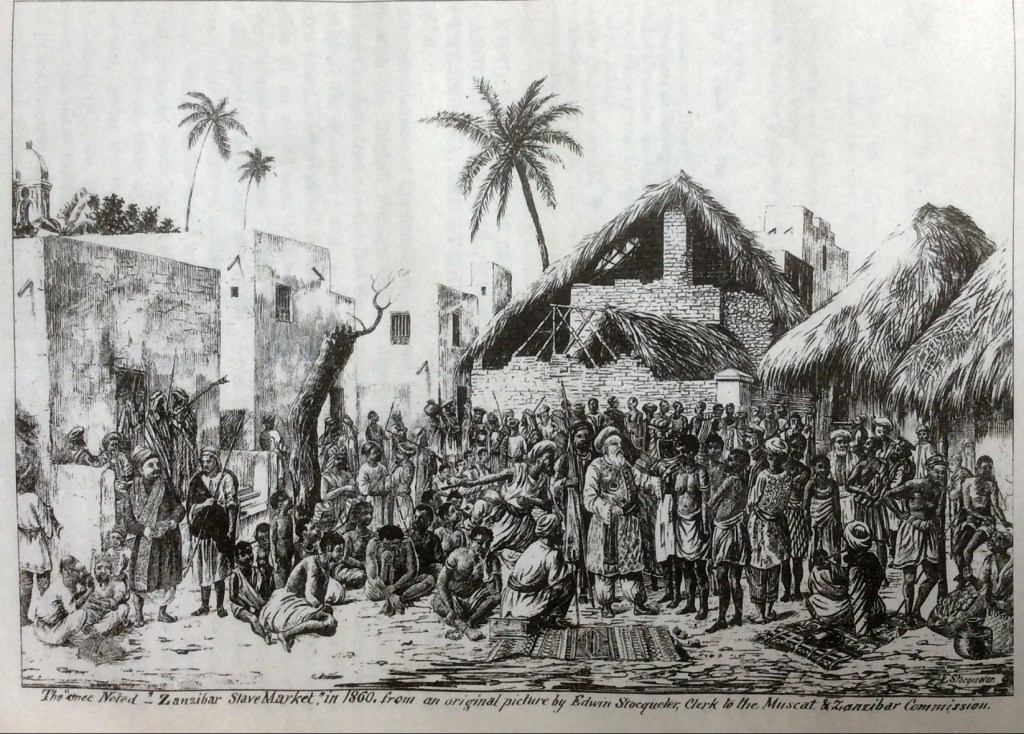
Zanzibar became the main port for Slave Trade in East Africa … mostly trading with the Middle East and Southeast Asia. The slave trade was extremely lucrative … by the mid 1800’s … 50,000 slaves passed through the port annually.
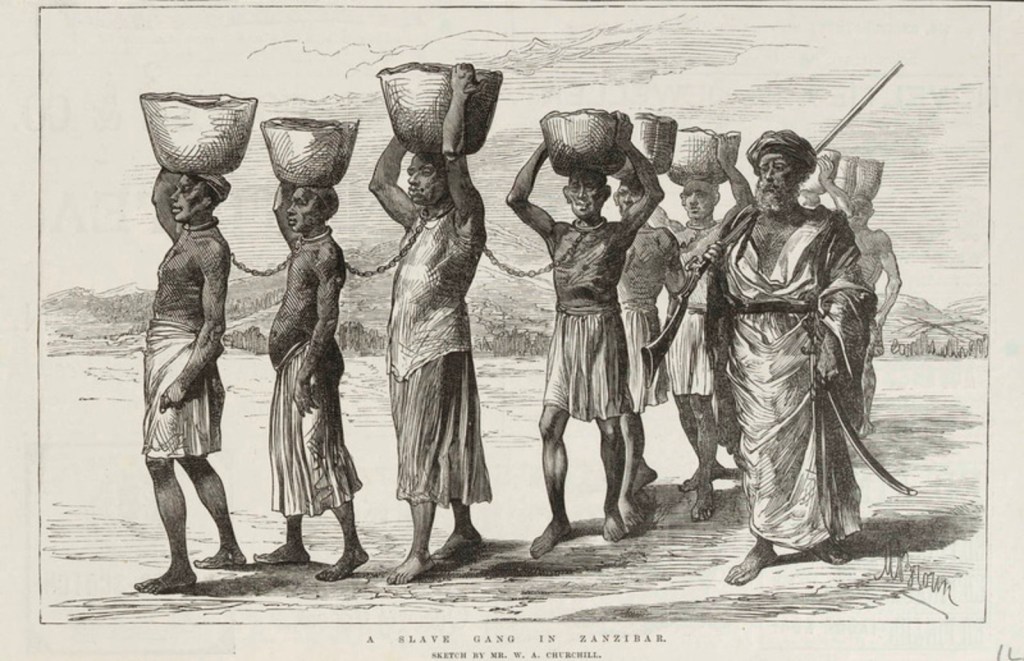
Zanzibar was home to one the biggest Arab/Swahili slave traders … Tippu Tip, who led expeditions with 4000 people into the depths of Africa where chiefs would sell their villagers at low prices.
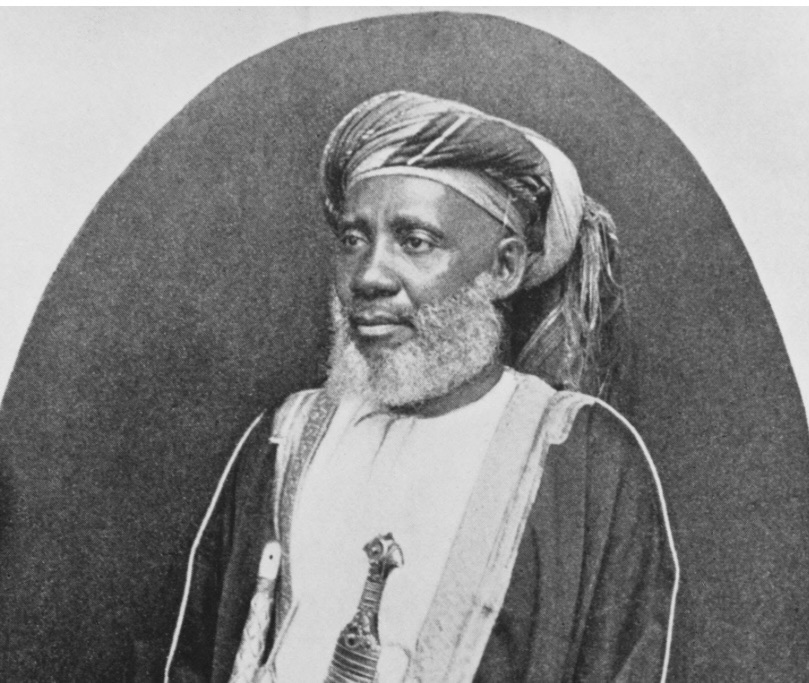
Tip became one of the wealthiest men of Zanzibar … owner of multiple plantations … with over 10,000 slaves.
Fortunately … “Wisdom Eventually Prevailed” …. in this case the Brits …. in the 1820’s began to abolish slavery … by 1873 Zanzibar was forced to sign a treaty ( Anglo – Zanzibari Treaty ) getting rid of all slavery … closing the slave markets and protecting liberated slaves. In 1890 the Brits fully took over … Zanzibar became a protectorate of Britain … for the next 75 years. In 1963 the UK ended the protectorate … Zanzibar became self-governing … merging with mainland Tanganyika … forming “The Republic of Tan Zania.”
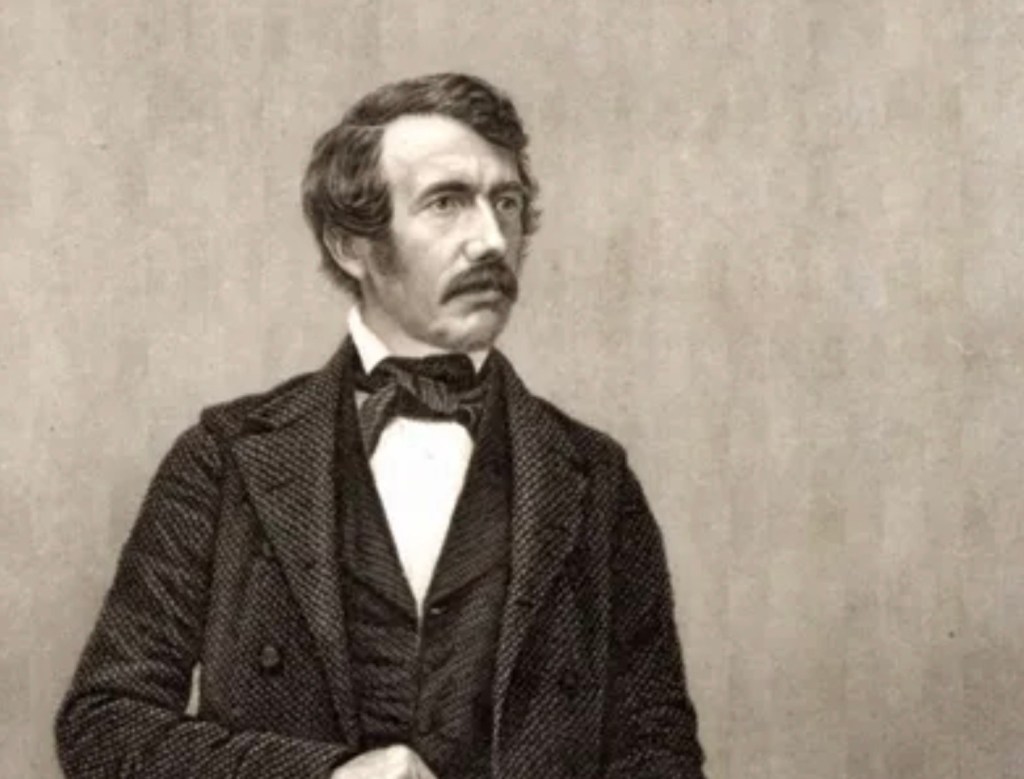
British “Wisdom did Prevail” … and is basically credited to one key person …Dr David Livingstone. Livingstone … a Scottish Missionary ( 1813 to 1873 ) with medical training … was the first European to cross the continent east to west. He was the guy that blew “the lid off”on the practices of slavery … that eventually led to the abolishment of slavery.
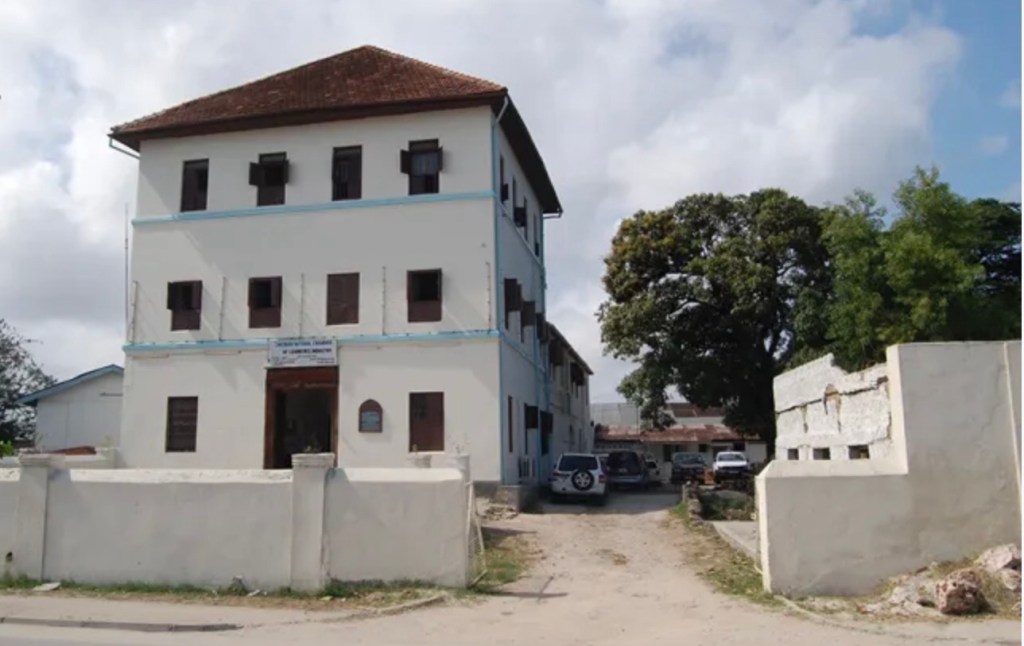
Livingstone had great influence over western attitudes towards Africa during this period …. observing with his own eyes the abuse of slaves and the slave trade business . … documenting and publishing … both in England and America. His voice was fundamental in shaping British opinion against these practices … serving as the impetus for the treaty drawn up by England … abolishing slavery in East Africa. It was signed by Queen Victoria the day after he died. It started in Zanzibar and ended in Zanzibar.
Livingstone was considered a hero … buried in WestMinister Abby. He is viewed today as the forefather of African Nationalism.
So lots of history happened in “Old Town”…. established a 1000 years ago … the place that Slave Trade was “Started” and “Terminated.” Old Town … today called “Stone Town”… the name comes from the reddish coral stone used to construct buildings. It is an old Swahili trading town … “an Urban Swahili Cultural Unit” of Arab, Indian and European influences … a culture only` found in this part of the world.
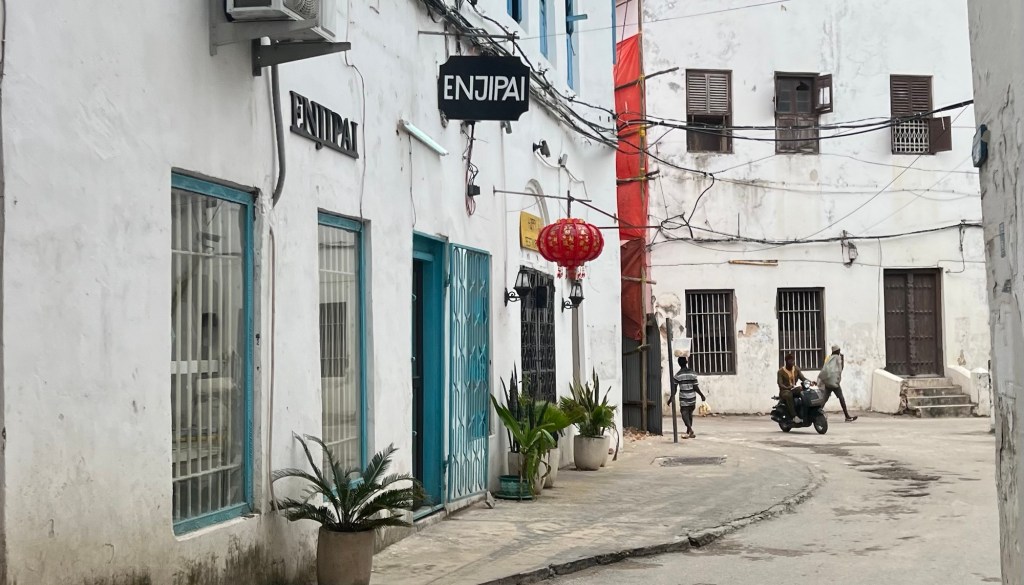
… Stone Town … still very much intact …
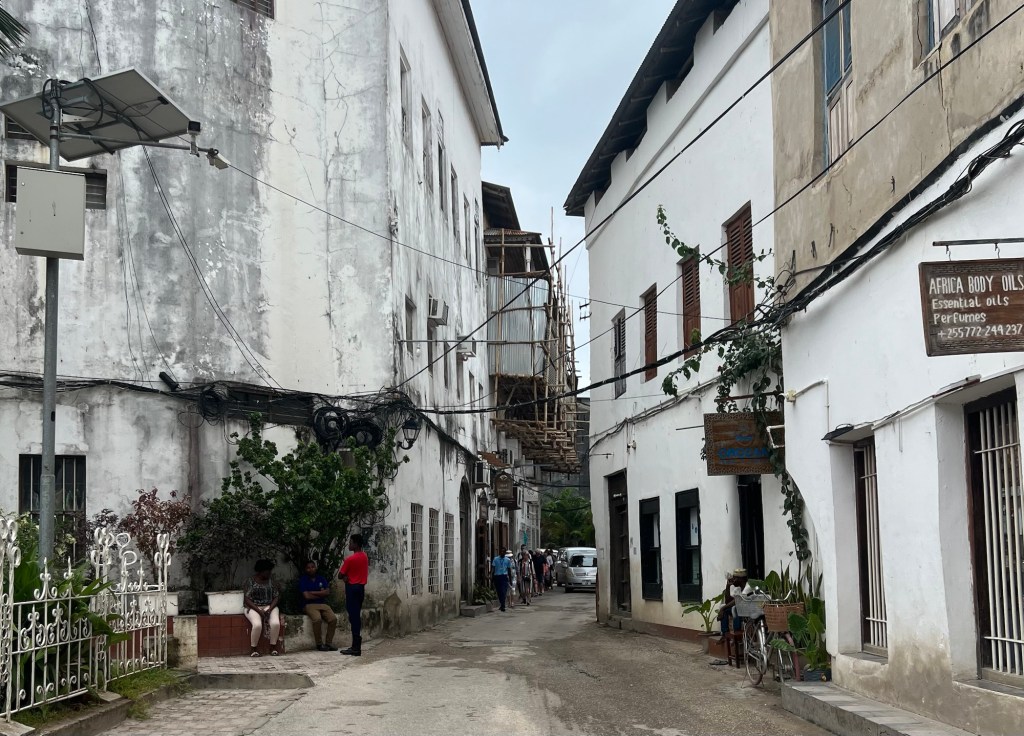
with narrow winding streets … elaborately carved double doors …
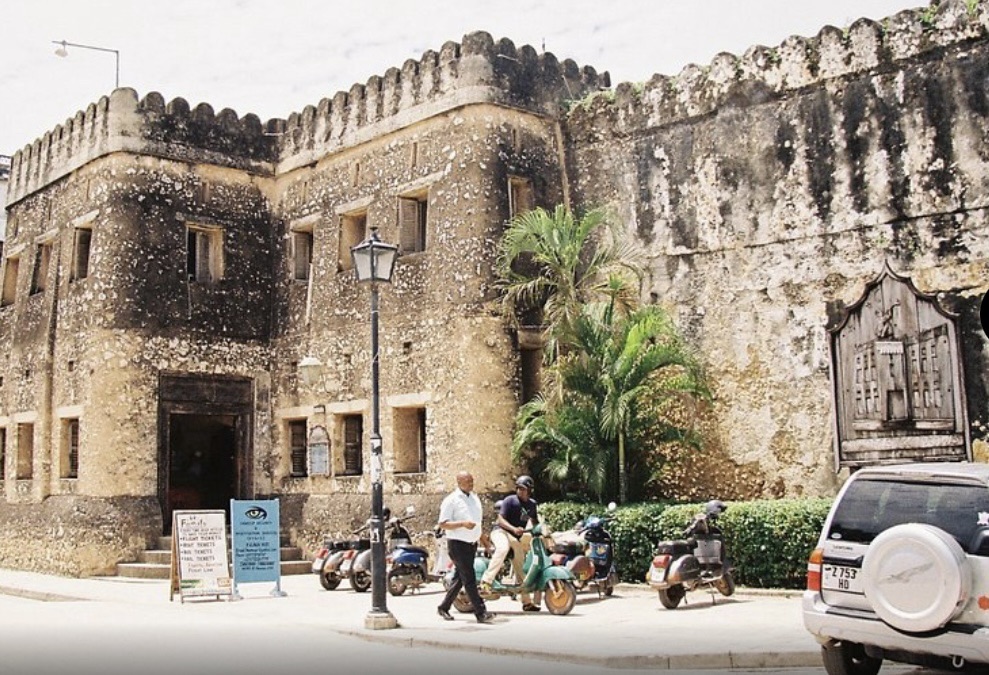
including a fort built by Omani Arabs in 1698 following the Portuguese …
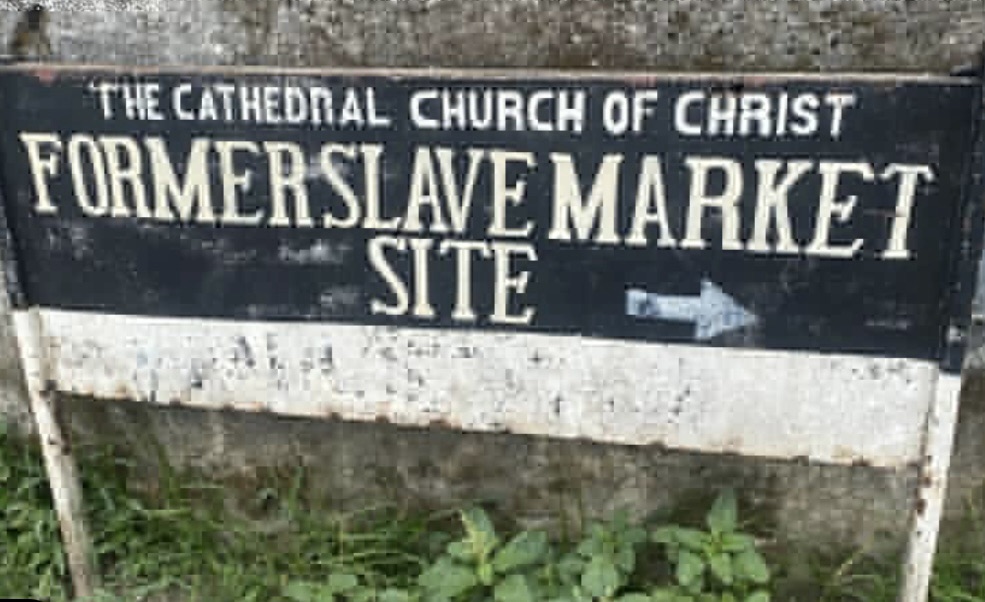
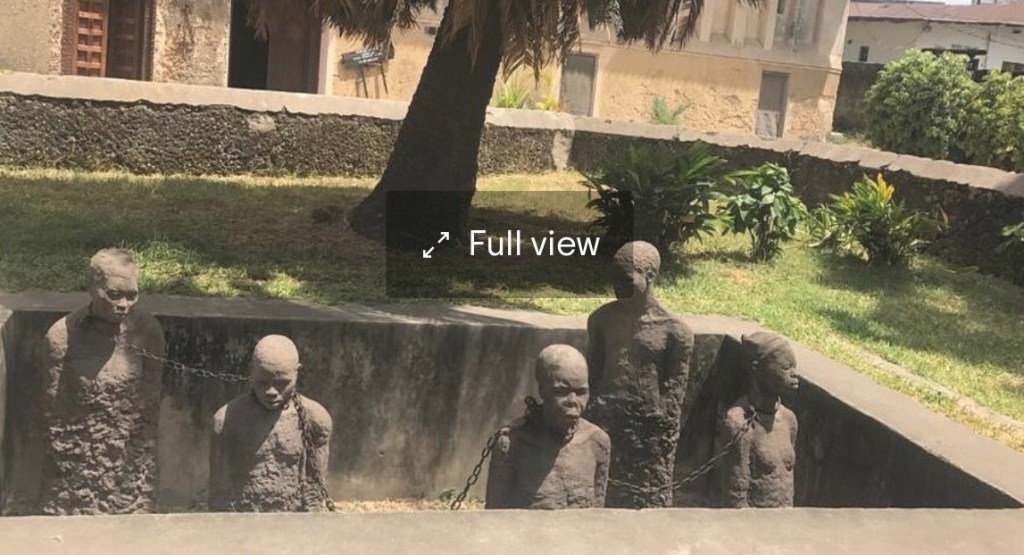
and an Anglican Cathedral built on the site of the last slave market along with a memorial in remembrance of slavery
But on a happier note …. Years later …. Zanzibars big “claim to fame” was Stone Towns’ most “famous resident” …. Freddy Mercury … for all Queen fans out there …. A Museum opened where his home had been.
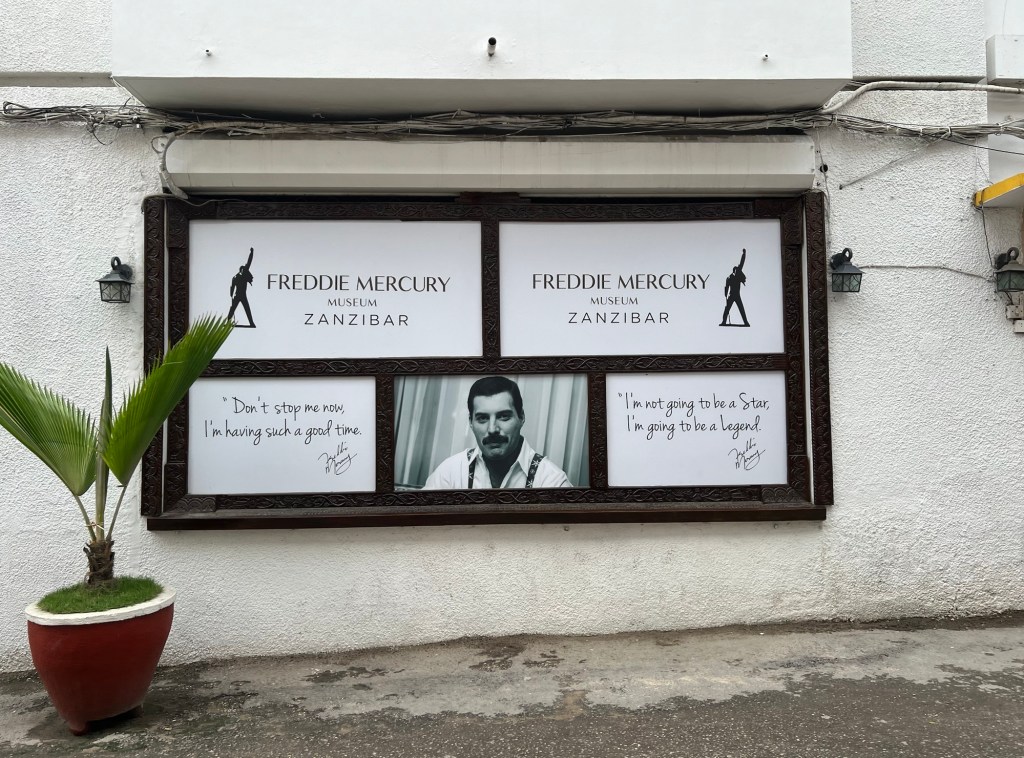
Who would think little Freddy Mercury would be writing “We are the Champions of the World” coming from Zanzibar.
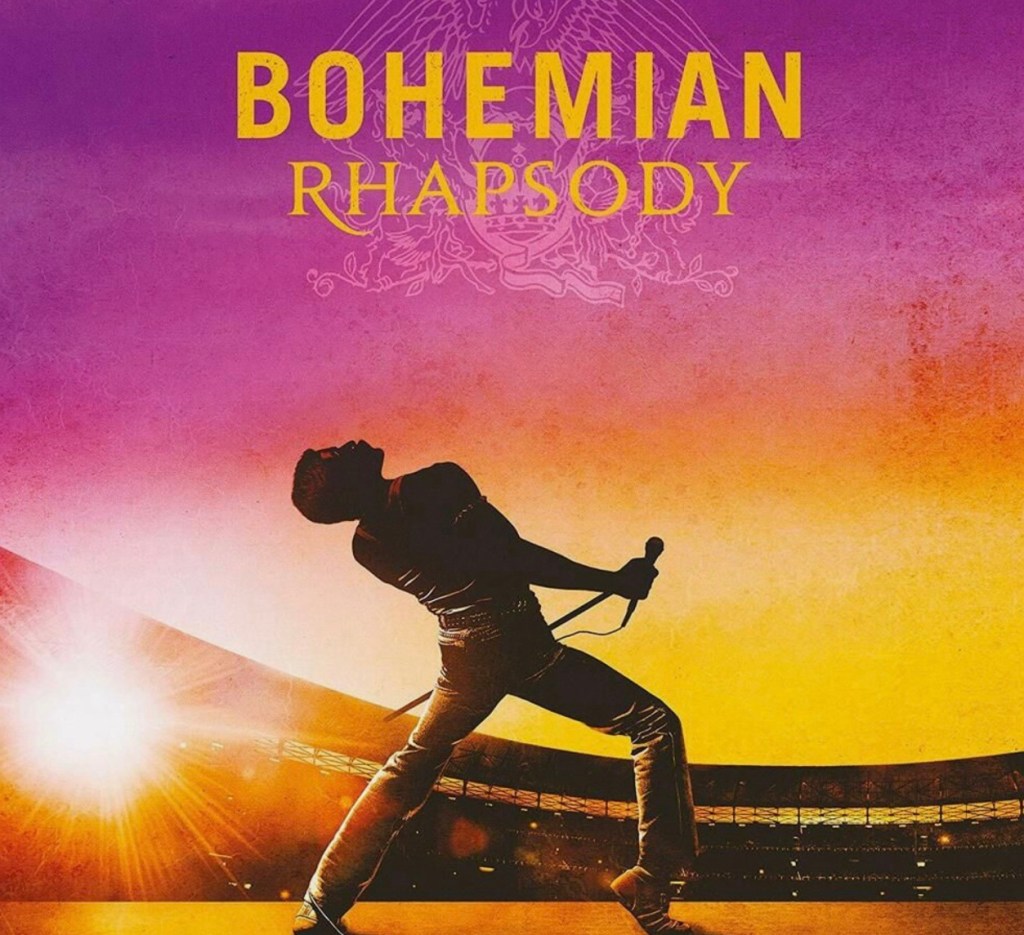
He lived here until he was 8, attended school in India and briefly returned … in 1964 his parents left and moved to England during the Zanzibar Revolution …. ( The Overthrow of the Sultan of Zanzibar )
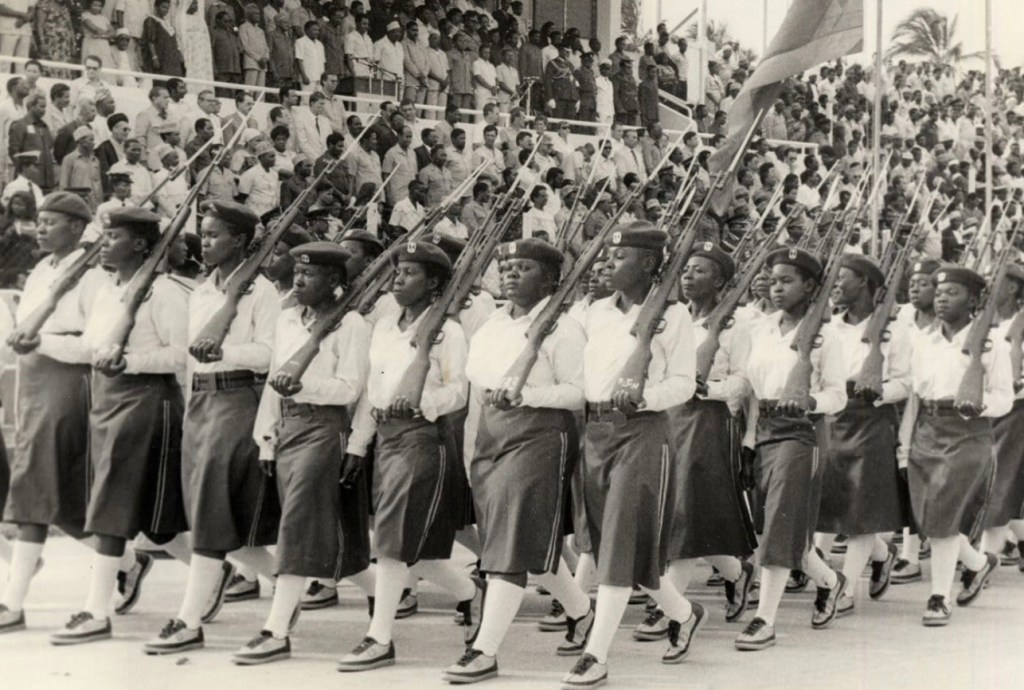
So that was the end of Freddy in Zanzibar …
Today Zanzibar has a population close to 2M. Swahili is the official language and the population is basically Muslim ( 99% ). About 50% of the population live below the poverty line and average income is about $2500 US.
They still have many challenges … 12% malnutrition in children … initiatives from UNCEIF, WHO and the US Government have brought these numbers down significantly …. now the pendulum is swinging and overweight/obesity is on the increase. ( if it’s not one problem … it is another )
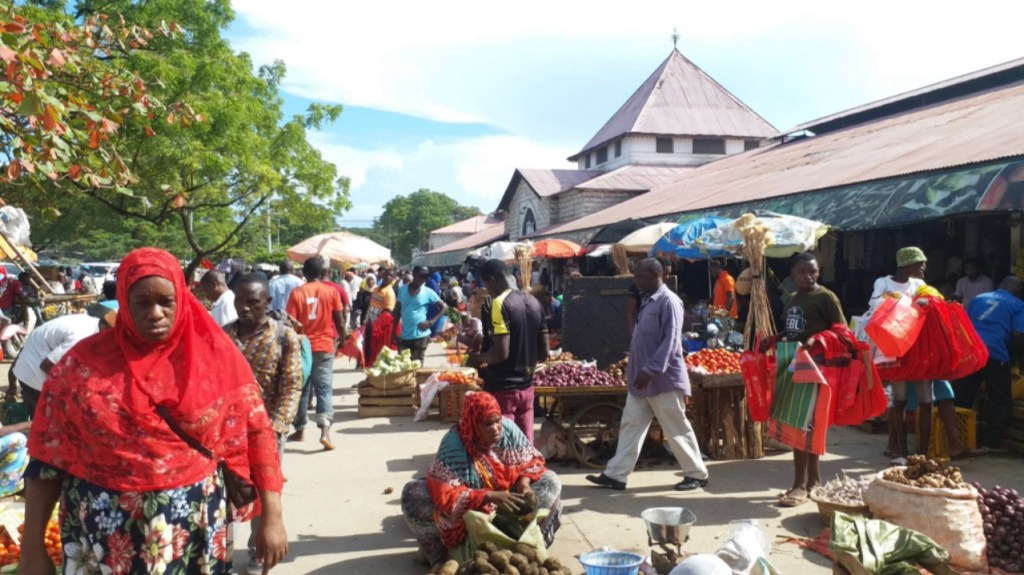
The main industry in these areas comes from their vegetation … Zanzibar along with Mafia island ( an island owned by Tanganyika) ( that’s a name you could have a field day with) are referred to as the “Spice Islands.” They grow and export nutmeg, cinnamon, coconut and black pepper and are known for producing exceptionally high quality cloves.
With their beautiful beaches … they are trying to increase tourism as a way for the future and are having some success. With a name like Zanzibar who wouldn’t want to check it out.
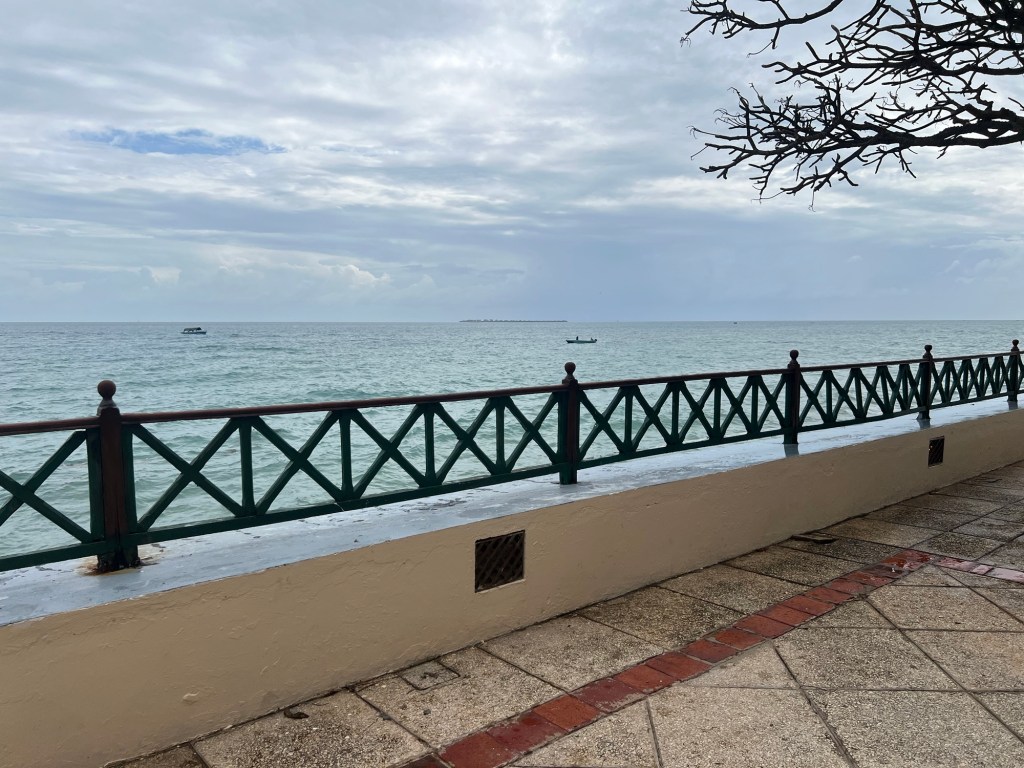
So the day was quite an eye opener…. I don’t know what to say …. ( that’s unusual in and of itself ) Certainly not my idea of an exotic fairytale … FROM SLAVES to SPICES ….. we will have to wait and see what the next chapter will bring.
NEXT PORT … MAYOTTE, FRENCH COMOROS …. DAY 148
 WORLD IN 2025
Well I had no idea I was in the “Slave Capital “ of East Africa. The town with its narrow streets and laid back populous seems like a sleepy bucolic place 🧐
LikeLike
Sorry I’ve been
LikeLike
Why would you ever go there?
LikeLike
Another enlightening post – both historical and today.
LikeLike
It is amazing to see many so many different cultures.
LikeLike
i knew of Tanzania but not Zanzibar ! It’s amazing how similar the architecture is to some of the streets in Sevilla but that’s what it is Moorish influence !
LikeLike
Interesting how all these countries influence each other. It is one big hybrid
LikeLike